Skipper Eye-Q Speciality eye hospital is an international eye hospital with chain presence of 42 eye hospitals in India and Nigeria.Job Description
The Biomedical engineer will be responsible for managing, maintaining, and calibrating specialized, high-precision eye hospital equipment to ensure patient safety and optimal diagnostic / surgical outcomes.
He will act as the technical bridge between medical staff and advanced technology, handling devices such as lasers, microscopes, and imaging systems.
Key Responsibilities
Maintenance and Repair: Perform Preventive Planned Maintenance (PPM) and corrective repairs on ophthalmic equipment (e.g., Slit Lamps, OCT, Operating Microscopes, Excimer Lasers, Phacoemulsifiers) to ensure minimal downtime.
Equipment Installation & Calibration: Install new devices, perform pre-acceptance checks, and calibrate equipment to manufacturer specifications.
Training & Support: Train onthe safe and proper operation of devices.
Asset Management: Maintain accurate, up-to-date inventories, service histories, and logbooks for all medical equipment.
Compliance and Safety: Ensure all devices meet regulatory standards and safety protocols, including compliance with electrical safety standards and protocols.
Vendor Management: Monitor service contracts (AMC / CMC) with external suppliers and manage spare parts inventory.
Requirements and Qualifications
Education: Bachelor’s degree in Biomedical Engineering.
Experience: Typically 3–5 years of experience in a hospital or clinical setting, with specific experience in ophthalmic equipment maintenance highly preferred.
Technical Skills: Strong knowledge of electronic and mechanical systems, as well as proficiency in using calibration and testing tools.
Soft Skills: Excellent problem-solving, analytical, and communication skills.
Requirements: May require the ability to travel between hospital branches and handle emergency service calls.
Typical Eye Hospital Equipment Handled:
Diagnostic: Optical Coherence Tomography (OCT), Auto Refractometers, Fundus Cameras, Tonometers.
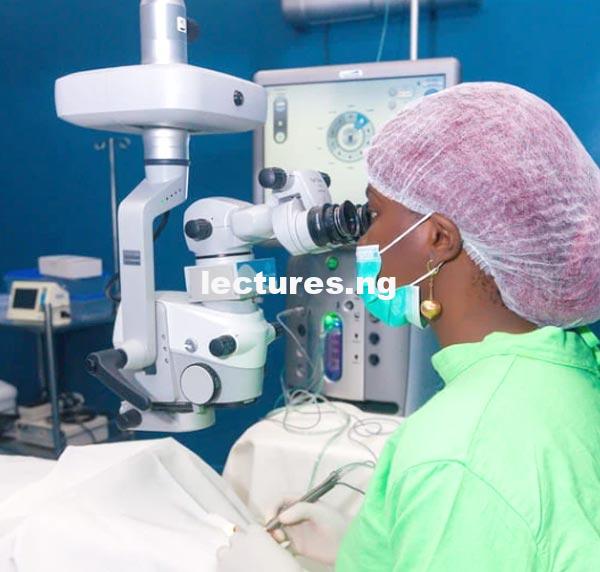
Surgical: Phacoemulsification units, Operating Microscopes, Femtosecond / Excimer Lasers.